12 Coffee Brands to Steer Clear Of (Your Morning Cup Deserves Better!)

No two coffees are brewed the same. Some brands have top-rate quality and top-rate flavor, while others fall flat.
No matter the reason — subpar bean sourcing, questionable ethics, or lack of taste — there are some coffees you simply do not want to drink, ever. Here are 12 brands of coffee to avoid and why, and a few alternatives you’ll want to use instead.
Folgers

The American coffee brand Folgers has fallen from grace. The issues? Bad sourcing, no certifications as to sustainability, and the use of chemicals such as pesticides and herbicides in production.
Their coffee is all preground, so freshness takes a back seat. Sure, it’s cheap and accessible, but what does this do to your tastebuds and the environment? Supporting smaller local roasters is better for the planet, and you’ll get a better cup of coffee.
Maxwell House
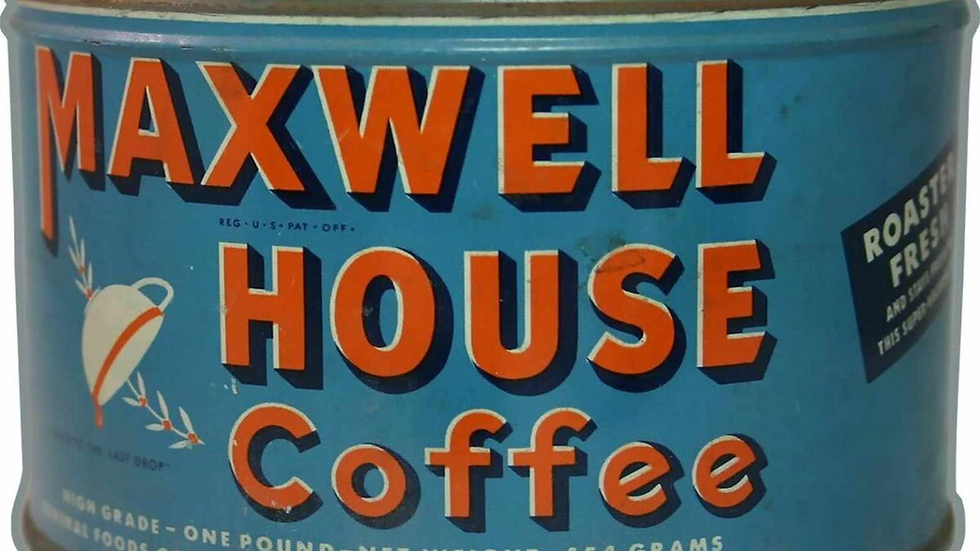
They called it “Good to the last drop”? Not anymore. Maxwell House is Arabica mixed with a lower grade of Robusta beans, famous for bitterness. It’s not certified organic or sustainable in any way, and so you’re stuck with a cup that tastes cheap and stale.
Instead, choose beans from companies like Counter Culture Coffee, which focus as much on freshness as they do on looking after their traders.
Nescafé

Despite its convenient coffee, Nescafé’s instant is a far cry from premium. This brand is far from affirming as it’s got no organic options, and problems like chemical residues and potential mold aren’t going to do your health any good.
And customers have even reported that its taste… is dismal at best. If you want good quality instant coffee, go for Mount Hagen with organic beans.
Seattle’s Best

Seattle’s Best is owned by Starbucks but is run in more of a cost-cutting production model. Many sigh in disappointment at its bitter, low-quality flavor.
It’s a knockoff of its big sibling but without the redeeming qualities. Find independent brands that have both taste and ethics at heart, such as Blue Bottle Coffee.
Death Wish Coffee

With a name like ‘Death Wish’ you’d expect something bold. Instead, this coffee uses shockingly high caffeine levels to sell its Robusta heavy blends.
And while it’s marketed as USDA organic, there are some major transparency issues when it comes to sourcing, and a lot of big question marks about the brand’s practices. If you need serious flavors without the theatrics, Stumptown’s blend Hair Bender is the way to go.
Green Mountain Coffee
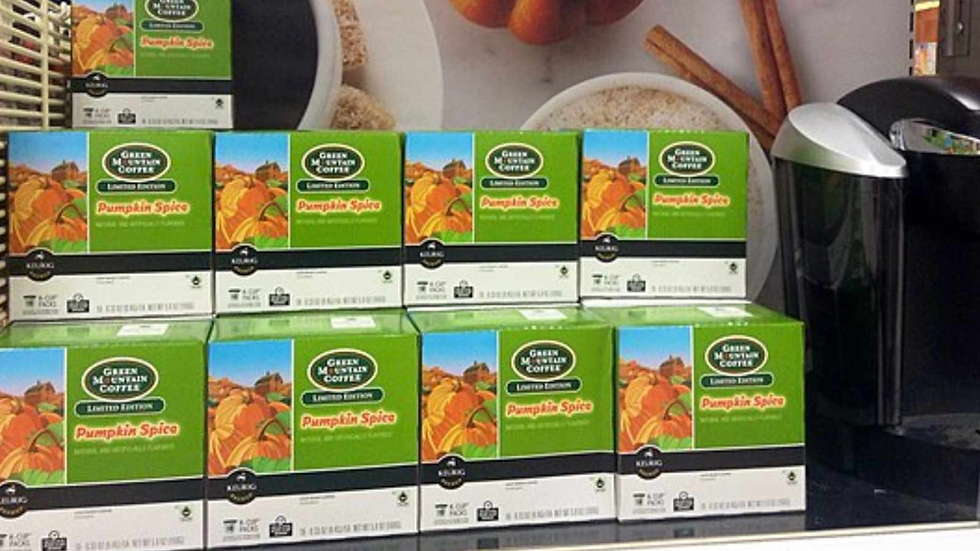
Always lauded for its artisanal offerings, Green Mountain Coffee fell out of favor after being taken over by JAB Holding.
With the beans now aimed at mass production, they just don’t get the care and quality they once expressed, especially with the single-serve pods.Need a reliable pod alternative? Peet’s coffee brings quality and convenience.
Yuban

There was a time when Yuban Coffee carried quality with its 100% Colombian beans. Unfortunately, the recipe switched to a blend of Latin American Robusta and Arabica beans, which is not the good kind.
The result? At best a flat-tasting disappointment. For fresh single-origin beans, stick with Colombian coffee brands with integrity, like Devoción.
McCafé at Home

Like McDonald’s drive-thru coffee? With its store-bought version, don’t expect the same quality.
Even if brewed right, McCafé’s retail coffee tastes burnt, bitter and, plain unappealing. Forget the burnt brew and choose a smooth and balanced bag of Lavazza over it.
Cafe Bustelo
Cafe Bustelo is nostalgic for Latin American kitchens. It has vibrant branding, but it is owned by J.M. Smucker, and they refuse to be transparent about sustainability and ethical sourcing.
And it hasn’t exactly been a quality win, either, with few organic options.If you’re looking for a similar Latin-inspired coffee with heart, then Mayorga Organics Café Cubano Roast is your choice.
Keurig K-Cups (Generic)

It’s hard not to concede that coffee pods are convenient, but Keurig’s standard K-Cups offer more waste than taste. They’re terrible to recycle, and the coffee you get inside is usually stale, flat, and uninspired.
For those of you who do love pods, invest in some reusable ones and fill with freshly ground beans— Intelligentsia has great blends.
Dunkin’ at Home (K-Cups)

Dunkin’ is adored for its affordable coffee shop drinks, but their store-bought K-cups are a whole other situation.
Produced by J.M. Smucker, these pods are stale-tasting with an unreliability of flavor you could get from a freshly brewed Dunkin’ latte. To get the benefits of freshly roasted coffee, you might want to try Happy Mug Coffee for your Keurig machine.
Kirkland Signature (Costco)

While Costco offers great value, their Kirkland Signature coffee simply isn’t up to the task when it comes to transparency about sourcing.
Without information on where these beans come from, it’s hard to trust the quality we’re getting. But try local roasters that care about transparency and high-quality small-batch beans.


Comments