How to Make Anti-Inflammatory Turmeric Paste: Your Daily Dose of Sunshine!
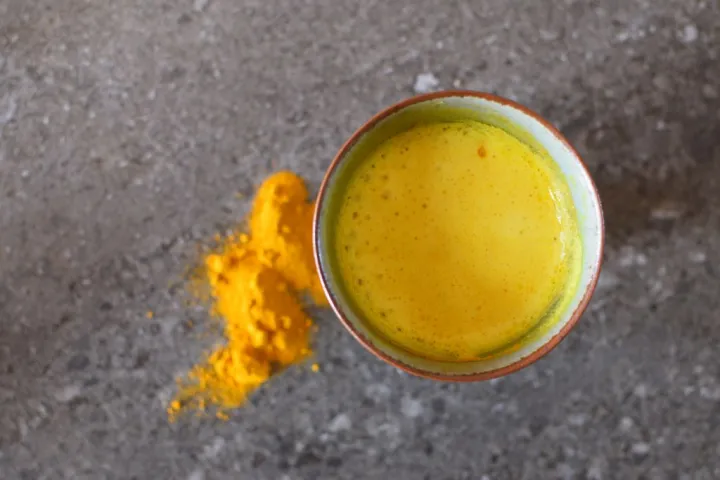
Turmeric is a spice synonymous with Indian cuisine and adds a touch of warmth and sunshine to any recipe. Its deep, slightly fruity, earthy bitterness will give your food a distinct flavour with added health benefits!
Renowned for its anti-inflammatory and antioxidant properties, incorporating turmeric into your daily meals can be particularly beneficial you live with an inflammatory health condition.
Curcumin, a natural compound found in the spice turmeric, has shown promising results in both laboratory and animal studies for preventing and treating a wide range of health conditions. These include heart disease, diabetes, obesity, allergies, asthma, inflammatory diseases, and brain disorders.
Turmeric in traditional medicine systems
Known scientifically as Curcuma longa, turmeric is a perennial herbaceous plant used for over 4,000 years in various traditional medicine systems, including Ayurveda, Siddha medicine, traditional Chinese medicine, and Unani. Its history is deeply intertwined with cultural, religious, and medicinal practices, particularly in India and other parts of Asia.
The use of turmeric spread from India to Southeast Asia along with Hinduism and Buddhism, as the yellow dye was used to colour the robes of monks and priests. By 700 AD, turmeric reached China, and by the 18th century, it was used in various countries around the world. The Arabs introduced turmeric to Spain, from where it was slowly introduced more widely into the spice racks of Europe.

Ayurvedic Medicine and Turmeric
Turmeric is a major spice used in Ayurveda, a 5,000-year-old natural healing system originating in India’s Vedic culture. It is considered a cleansing herb for the whole body and is used to treat various conditions.
Turmeric is revered for its anti-inflammatory properties. It is regarded as a ‘rasayana’ herb in Ayurveda, which means it is used to “rejuvenate”, counteracting the ageing processes.
The rhizome, or the root-like stem of the plant, is the most widely used part. Turmeric powders and pastes have been used to ” purify the blood and skin” and treat diarrhea and urinary infections. It has also been used in poultices to remedy common eye infections, dress wounds, bites, burns, acne, and various skin diseases. The only problem is the bright yellow stain it leaves on the skin, fading over time. Even the Johnson & Johnson corporation has introduced turmeric-infused Band-Aids™ specifically for consumers in India.
In the northern regions of India, a health tonic made from a blend of fresh turmeric paste, dried ginger powder, and honey mixed in hot milk is traditionally consumed by women postpartum to assist recovery. Additionally, turmeric paste is used topically on the perineum to promote the healing of tears that may have occurred during childbirth (caution: do not apply the paste recipe in this post to any open wound – it is for culinary purposes).

Add fat and pepper to supercharge your turmeric
In Ayurveda, the traditional medicine of India, people have long combined turmeric with milk or ghee and various other spices, most commonly long pepper. Modern research supports this ancient wisdom. The active component of turmeric, curcumin, is better absorbed by the body when paired with piperine, a compound found in black pepper, and a fat (lipid) like ghee or olive oil.
Staining alert!
Be mindful when handling turmeric. It can leave yellow stains on surfaces. Although the colour fades over time, it may take a while. I have had yellow blotches on my countertops and cutting boards, remnants of hurried cooking sessions with a toddler hanging off my leg.
How to use your homemade turmeric paste
Preparing a week’s worth of turmeric paste is easy and ensures you always have a stash on hand. Once you have a supply in your fridge, add a few teaspoons to your daily routine.
Here are some delicious ways to enjoy it:
Turmeric Latte (golden milk): heat a cup of milk (dairy or non-dairy) and stir in the turmeric paste. Frothing the milk creates a latte-style drink. If the taste seems too intense, add a teaspoon of raw honey to balance it.
Chai: blend turmeric paste with other spices like cinnamon, cardamom, clove and black tea to make a warming brew infused with water or milk. You can use it as a substitute for fresh turmeric in my sticky turmeric chai recipe.
Base for Curries and Tagines: use turmeric paste as a starting point and build other spices to your base.
Marinades and Salad Dressings: mix turmeric paste into marinades, salad dressings, and dips for added zest and nutrition.
Turmeric Hummus: add the paste to your hummus with a little cumin and coriander powder to spice it up and turn it vibrant gold.
Choose high-quality powder
When possible, opt for high-quality, certified organic turmeric powder. Unfortunately, like any industry, there are a few bad apples, and lead contamination is a potential problem with bulk turmeric. Bulk purchases are convenient, and a quick online search will help you locate a trustworthy supplier.
A word of warning
There have been extremely rare reports of liver injuries related to turmeric supplementation. If you have a liver condition or a previous history of liver disease, it is advisable to discuss the suitability of turmeric supplementation with a health professional.
Yield: Approx 1.5 cups
Turmeric Paste Recipe
Ingredients
1/2 cup turmeric powder (preferably organic)
1 cup filtered/spring/rain water
1/4 cup of fat - choose from ghee, extra virgin olive oil or virgin coconut oil
1 tsp of freshly ground black pepper
Instructions
Mix the turmeric powder, pepper and water in a small saucepan until combined and bring to a gentle simmer.
Add the fat of choice and continue to simmer for a further 10 minutes, stirring gently. Take it off the heat when it forms a soft paste. You might need to add a little extra water if it becomes too thick.
Store in a clean jar in the fridge for up to two weeks.
Enjoy your daily dose of sunshine
Add a daily dose of turmeric paste to your routine. With its anti-inflammatory and antioxidant properties, this golden spice will bring a burst of sunshine to your kitchen and improve your overall well-being.


Comments