GLP-1s and Bone Health: What the Evidence Says About Semaglutide, Bone Density, and Muscle Loss
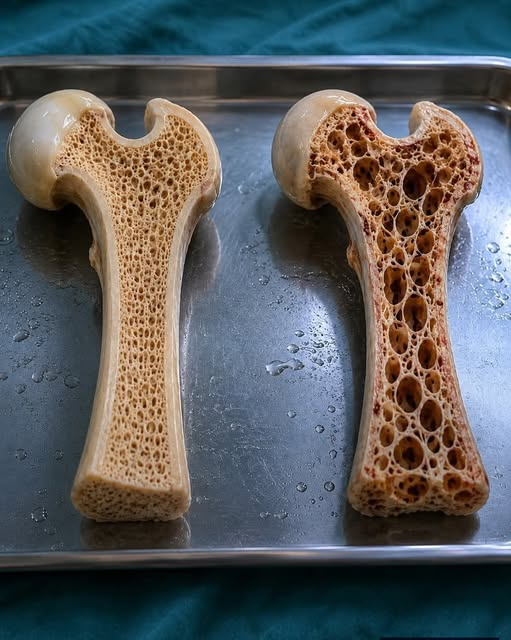
While Ozempic has been celebrated as a miracle for weight loss, a massive new study of 150,000 patients reveals a heartbreaking hidden cost: our bones are paying the price for a slimmer silhouette.
For many, shedding pounds felt like reclaiming life. But research shows long-term GLP-1 use may increase osteoporosis risks by 30% and accelerate bone softening. The culprit? We aren't just losing fat; we are losing the vital muscle that keeps our skeletons strong. Combined with severe appetite suppression, our bodies are quietly starving of the calcium and protein needed to support us.
Doctors now warn of "Ozempic Bone"—a reminder that true health cannot be found in a quick fix. If you or a loved one are on this journey, protect your frame. Prioritize heavy strength training, fuel your body with protein, and demand bone-density scans. Weight loss shouldn't mean losing the very foundation that carries you through the world.
How does weight loss affect bone density?
When you lose weight, you may also lose bone density, particularly if the weight loss is rapid or excessive. This is because your body is losing not just fat but also some muscle mass. Muscle plays a role in supporting bone health by stimulating bone growth and density through resistance and weight-bearing exercises.
Several factors contribute to bone loss during weight loss:
1. Reduced muscle mass: As muscle mass decreases, the stimulus for bone growth and density diminishes.
2. Caloric restriction: If your diet is too low in calories, your body may not get enough nutrients, including calcium and vitamin D, essential for bone health.
3. Hormonal changes: Weight loss can affect hormone levels, including a decrease in leptin, which is important for bone health.
However, not all weight loss methods have the same impact on bone density. For example:
- Resistance training and high-impact exercise can help maintain or even increase bone density during weight loss.
- A balanced diet rich in calcium and vitamin D can support bone health.
- Gradual weight loss tends to be less detrimental to bone density than rapid weight loss.
In the context of the post you mentioned, the use of GLP-1 medications like Ozempic may increase the risk of bone loss due to the potential for rapid weight loss and muscle loss. It's essential to discuss the potential risks and benefits with a healthcare provider and take steps to maintain bone health during weight loss.
Can muscle loss weaken bones?
Yes, muscle loss can contribute to weakened bones. When muscles are lost, the bones that those muscles support and interact with can lose density and strength, increasing the risk of conditions like osteoporosis. This is because muscles and bones are closely linked through various physiological mechanisms.
Muscle pulls on bones through tendons, stimulating bone growth and density. When muscle mass decreases, this stimulation is reduced, potentially leading to bone loss. Additionally, muscle tissue produces factors that help regulate bone metabolism, further supporting the connection between muscle and bone health.
In the context of the post, the concern is that GLP-1 medications like Ozempic might lead to muscle loss, which in turn could increase the risk of bone-related issues. However, individual results can vary based on numerous factors, including the specific medication, dosage, overall health, and lifestyle.
How to protect bones during weight loss?
To protect your bones during weight loss, consider the following:
1. Resistance Training: Incorporate strength training exercises into your routine to build and maintain muscle mass, which supports bone health.
2. Protein Intake: Ensure adequate protein consumption to support muscle and bone health. Aim for 0.8-1 gram of protein per pound of body weight daily.
3. Calcium and Vitamin D: Maintain sufficient calcium and vitamin D intake through diet or supplements to support bone health.
4. Bone-Density Scans: Regularly schedule bone-density scans, especially if you're on medications like GLP-1 or have a history of osteoporosis.
5. Balanced Diet: Focus on a balanced diet rich in fruits, vegetables, whole grains, and lean protein sources.
6. Avoid Extreme Caloric Restriction: Gradual weight loss is generally safer for bone health than rapid weight loss.
7. Stay Active: Incorporate weight-bearing exercises, such as walking or hiking, into your routine to support bone health.
Consult with a healthcare professional or registered dietitian to create a personalized plan for protecting your bones during weight loss.
What is bone density testing?
Bone density testing, also known as dual-energy X-ray absorptiometry (DXA), is a non-invasive test that measures the density of your bones. It uses X-rays to assess the strength of your bones, typically in the hips, spine, and wrists. The test can help diagnose osteoporosis, a condition that causes bones to become weak and brittle, and assess the risk of fractures.
During the test, you'll lie on a table, and a machine will pass over your body, emitting X-rays that measure the density of your bones. The results are usually presented as a T-score, which compares your bone density to that of a healthy young adult. A lower score indicates lower bone density and a higher risk of fractures.
Doctors may recommend bone density testing for:
- Women over 65 and men over 70
- People with a family history of osteoporosis
- Those taking medications that can weaken bones (like steroids or certain antidepressants)
- Individuals with conditions that affect bone health (like rheumatoid arthritis or thyroid disorders)
The test results can help your doctor determine the best course of action to prevent or treat osteoporosis, such as lifestyle changes, medication, or supplements.
Does Ozempic increase osteoporosis risk?
Ozempic may increase the risk of osteoporosis, according to recent studies. Research analyzing the health records of over 73,000 individuals for five years found that those taking GLP-1 medications like Ozempic had a higher risk of developing osteoporosis, gout, and osteomalacia compared to those not taking the medication.
Key Findings:
- Osteoporosis Risk: 4.1% of GLP-1 users developed osteoporosis compared to 3.2% of controls, representing a roughly 30% increased risk.
- Gout Risk: 7.4% of GLP-1 users developed gout compared to 6.6% of controls, about a 12% increased risk.
- Osteomalacia Risk: GLP-1 users had roughly twice the risk of developing osteomalacia, a rare condition characterized by softening of the bones.
The increased risk is thought to be linked to rapid weight loss and inadequate nutrient intake, particularly calcium, vitamin D, and protein, which are essential for bone health. Experts recommend bone health surveillance and monitoring for delayed-onset complications in at-risk populations.
It's essential to note that while there's an increased risk, the benefits of GLP-1 medications in the short term, such as improved surgical outcomes, don't automatically translate to long-term musculoskeletal health risks. However, prioritizing nutrition and bone health monitoring can help mitigate potential risks.


Comments