Which Color Bell Pepper Is Better for You? Dietitians Explain
KEY POINTS
Knowing which bell pepper is healthiest helps you make smarter choices for nutrition and taste.
Red bell peppers have the most nutrients and are the healthiest among all the color options.
Green bell peppers are the least ripe, less sweet, and might be harder for some people to digest.
Whether you’re dicing them onto a pizza, roasting them for a pasta, or slicing them raw for crudites with hummus, the crisp sweetness and satisfying crunch of bell peppers make them a kitchen staple. But have you ever wondered which type of bell pepper is the healthiest?
While they are one of the most versatile vegetables in the produce aisle, not all bell peppers are created equal. From the grassy bite of a green pepper to the antioxidant-rich sweetness of a red one, green, yellow, orange, and red bell peppers each offer something slightly different. Understanding which bell pepper is the healthiest can help you make smarter choices depending on your dietary goals and flavor preferences. We spoke to nutritionists and a produce expert to learn how each color compares in terms of taste, flavor, and nutrients. Plus, which one will last the longest in your refrigerator.
MEET the EXPERTS
Erin Kenny, MS, RD, HCP, NASM-CPT, registered dietitian and founder of Nutrition Rewired
Keelin Murphy, MS, RDN, registered dietitian and founder of Third Eye Nourishment
Matt Fowler, produce category manager at Natural Grocers
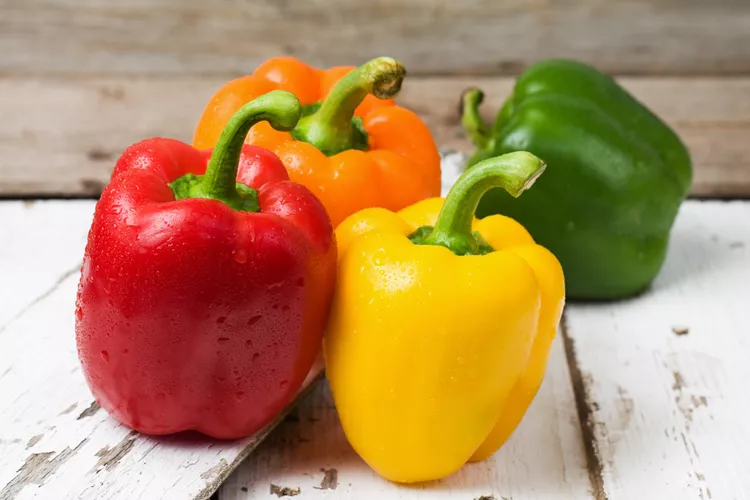
The Bell Pepper Rainbow
Bell peppers come in a variety of colors, with green, yellow, orange, and red being the most common. While they might seem like entirely different varieties, the differences in colored bell peppers are mainly due to ripeness, according to Erin Kenney, MS, RD, HCP, NASM-CPT, a registered dietitian and founder of Third Eye Nourishment.
Green bell peppers are harvested first, followed by yellow, orange, and red. As bell peppers ripen, natural sugars increase, making them nice and sweet. They aren’t just colorful, they’re chemically complex, notes Keelin Murphy, MS, RDN, registered dietitian and founder of Third Eye Nourishment. "Each hue represents a different nutrient profile, influenced by ripeness, cultivar, and pigment-specific antioxidants," she says.
Green Bell Peppers
Green bell peppers tend to be the least expensive. “Green bell peppers are the least ripe and have a distinct grassy, slightly bitter taste,” says Matt Fowler, produce category manager at Natural Grocers.
Nutritionally, they contain plenty of fiber but have the lowest sugar and antioxidant levels, according to Kenney, who adds that some people find green peppers the most difficult to digest, likely due to their firm cell walls, especially when raw.
TIP
"Clients tell me all the time that they have a hard time with bell peppers, not just the green variety," Kenney says. “This could be related to the tough, fibrous skin or the fact that they are part of the nightshade family. Simply cooking the peppers well to break down the fibers further can help potentially reduce digestive upset."
Yellow and Orange Bell Peppers
Yellow and orange bell peppers are the in-between peppers in terms of flavor and nutritional content. "They offer a nice middle ground with a gentle sweetness and crisp texture," says Fowler.
While they don’t have as much Vitamin C as red peppers, they offer different nutrients. According to Murphy, yellow bell peppers are rich in lutein and zeaxanthin, which support eye health. Orange bell peppers are also high in beta-cryptoxanthin, which has other important health benefits. benefits
Red Bell Peppers
Red bell peppers are the most nutrient-dense among all the bell peppers. "Specifically, they are highest in vitamin C, A, and lycopene," says Kenney. These are all powerful antioxidants that help to support immune health, reduce inflammation, and protect against heart and prostate health, she explains.
They also win for flavor—as red bell peppers are fully ripe, they are also the sweetest. "They have a depth of flavor that makes them a favorite for raw snacking and roasting,” says Fowler.
And in terms of storage, they also will likely last the longest. You might think the green bell pepper would be best for storage because it's harvested earlier, says Fowler, but that's not the case. "The longest-lasting bell pepper is the red. It is fully ripe and more mature, and often holds up best when stored properly," says Fowler.
TIP
For maximum freshness, store bell peppers in the refrigerator's crisper drawer and use them within a week. A slight wrinkle on the skin is fine, but avoid peppers with soft spots or mold.
Which Bell Pepper Is Healthiest?
According to Murphy and Kenney, with more time to draw nutrients from the soil and mature, red peppers top the nutrient charts. "If you are looking for the healthiest choice, go for red,” advises Kenney.
When choosing which bell peppers to buy, consider your taste and flavor preferences as well as how you plan to cook them. If you’re seeking a hint of bitterness or a more robust flavor, green peppers are the way to go. For dishes that call for a pop of sweetness or color, orange, yellow, or red bell peppers are great choices, says Fowler.
Perhaps the best option is using the full rainbow of colors, says Kenney. Murphy agrees, noting, "A mix of bell pepper colors gives you a spectrum of polyphenols and carotenoids." From a culinary perspective, Fowler agrees that a mix of bell peppers is a great way to bring a vibrant, flavorful balance, especially in sautés, stir-fries, or salads.
But really, there are no bad choices when it comes to this versatile produce.


Comments