What’s Actually in Your Cooking Oil? A Calm Look at a Real Concern
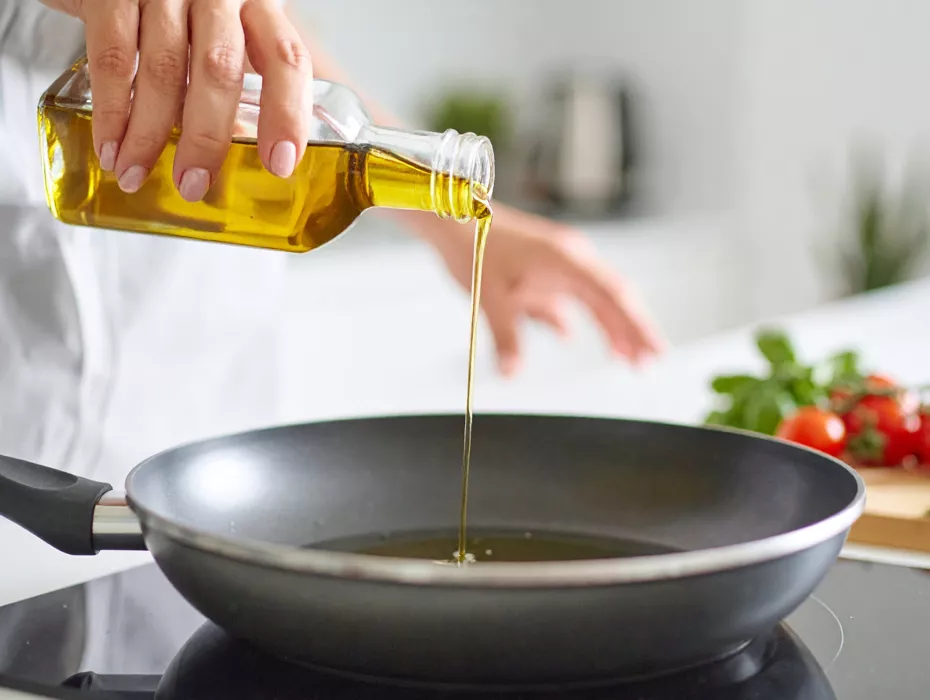
Here’s something worth knowing: most cooking oils go through an intense industrial process before they reach your kitchen. High heat, chemical solvents, deodorizing treatments—refining is what gives oils their neutral flavor, long shelf life, and clear appearance. It’s also what creates certain processing byproducts that have quietly become a food safety conversation.
One of them is called 3-MCPD. And while the internet has found dramatic ways to discuss it, the reality is more nuanced—and more actionable—than the headlines suggest.
What 3-MCPD Is, and Where It Comes From
3-MCPD is a contaminant that forms during high-heat oil refining—particularly in the deodorization stage, where oils are heated to extremely high temperatures to remove flavor compounds. According to NutritionFacts.org’s overview of 3-MCPD in refined cooking oils, it’s been detected across a wide range of refined vegetable oils, with palm oil showing among the highest levels.
Regulatory bodies including the International Agency for Research on Cancer (IARC) and the European Food Safety Authority (EFSA) have classified 3-MCPD as a possible human carcinogen—meaning there’s enough concern to warrant attention, though direct causation in humans hasn’t been established. This is an important distinction. “Possible carcinogen” is a regulatory flag, not a confirmed verdict.
There’s also a wrinkle with olive oil specifically. Some products marketed as extra-virgin—a label that implies minimal processing—have been found to contain refined oil components, including detectable 3-MCPD. Studies suggest that adulteration of EVOO with cheaper refined oils is more common than most consumers realize, which means the label alone isn’t always a reliable guide.
How Much Should This Worry You?
Honestly? Some, but not a lot.
The exposure levels most people encounter through normal cooking oil use are well below thresholds that have shown harm in studies. Regulatory bodies continue to review the evidence, and their current position is watchful concern rather than alarm. This is a legitimate food safety issue worth understanding—not a reason to overhaul your kitchen in a panic.
It’s also worth noting that the “vegetable oil” category is frustratingly vague. Canola, soybean, sunflower, corn, palm—these are all lumped under the same label but have meaningfully different refining profiles and 3-MCPD levels. Palm oil, in particular, tends to show higher concentrations. Soybean and canola oils, while also refined, typically show lower levels. The label “vegetable oil” tells you almost nothing useful here.
Making Practical Choices
You don’t need to throw out everything in your pantry. A few shifts make sense if this is on your radar:
Choose cold-pressed or unrefined oils when possible. Because 3-MCPD forms during high-heat refining, cold-pressed oils—which bypass that process entirely—are generally associated with lower levels of processing contaminants. Extra-virgin olive oil from a trustworthy source, cold-pressed avocado oil, and unrefined coconut oil fall into this category.
Be skeptical of cheap EVOO. Buy from producers with third-party quality certification, or look for oils with a harvest date on the label. Vague “packed in Italy” language without origin traceability is a yellow flag.
Vary your oils. No single oil does everything well, and rotating between a few good options naturally limits exposure to any one contaminant. Use EVOO for dressings and low-heat cooking; a quality avocado oil for higher-heat work.
Don’t heat oils past their smoke point. Overheating any oil accelerates the formation of undesirable compounds beyond just 3-MCPD. Matching the oil to the cooking method matters.
The honest takeaway: refined cooking oils are worth thinking about more carefully than most of us do, and 3-MCPD is a real concern that food safety regulators are actively monitoring. But “actively monitoring” isn’t the same as “avoid at all costs.” A few thoughtful swaps, a more discerning eye for labels, and some basic cooking habits go a long way. That’s usually how good nutrition decisions work—not dramatic overhauls, but small, informed adjustments you can actually live with.


Comments